Arizona’s desert climate often creates sharp temperature swings between daytime warmth and cold nighttime lows. These rapid drops may not seem dramatic, but they can significantly affect how your tires perform during early-morning commutes. When temperatures fall quickly overnight, tire pressure decreases, tire components stiffen, and weaknesses in aging or damaged tires become more likely to fail. As a result, blowouts become more common during the first hour or two of morning highway travel.
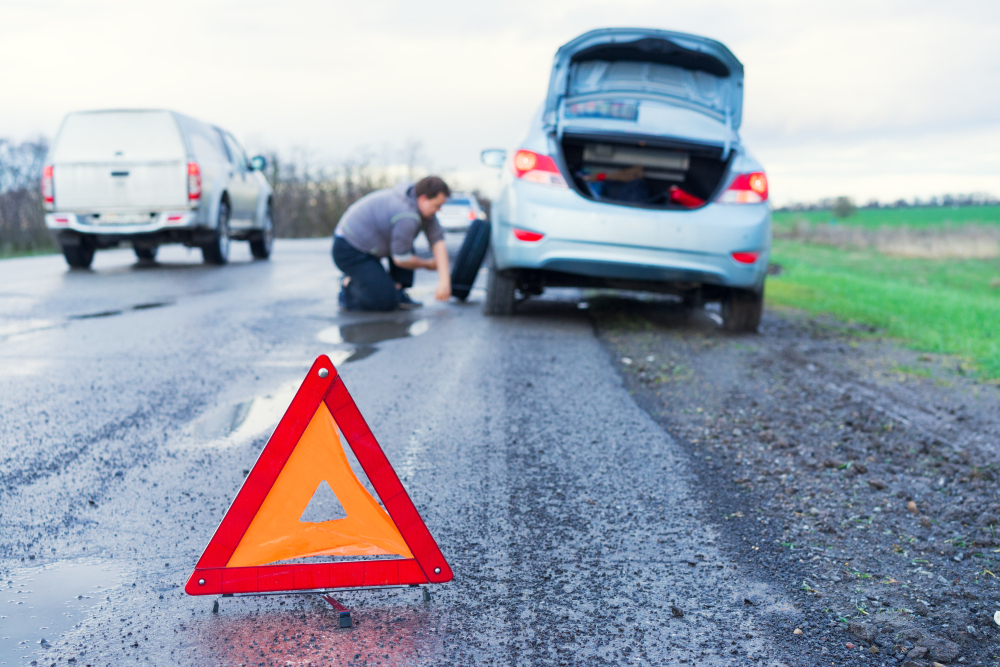
Cold-weather blowouts are especially dangerous because they happen when traffic is dense and speeds are high on corridors like I-10, I-17, Loop 101, and Loop 202. Many drivers are unaware that tire failure risk increases when temperatures drop quickly, and even fewer realize how often these failures trace back to poor maintenance, hidden defects, or preventable hazards. For injured drivers, understanding these factors is often the first step in determining whether negligence contributed to the crash.
How Cold Temperatures Change Tire Pressure
One of the most important but overlooked factors in tire safety is how temperature affects PSI. Air contracts when it cools, which means tire pressure drops as the temperature falls. A tire that was safely inflated the previous afternoon may be significantly underinflated the next morning.
The relationship between cold mornings and low tire pressure is commonly reflected on your dashboard. Drivers often see their TPMS warning light after cold nights, signaling that the air inside the tire has contracted. Temperature changes are a major factor in maintaining proper inflation and preventing structural failure.
When pressure drops even a few PSI, tires flex more than they should. This excessive flexing generates heat once driving begins—especially at freeway speeds—and can push internal temperatures high enough to damage the tire’s structure. That combination of overnight underinflation followed by rapid heating is one of the primary reasons cold mornings see more blowouts.
Why Cold Mornings Increase Blowout Risk
Tire blowouts occur when a tire suddenly loses structural integrity. While extreme heat is commonly associated with tire failures in Arizona, cold weather creates its own unique hazards.
1. Tires Begin the Morning Underinflated
Cold air can lower PSI quickly. When a driver begins their commute with underinflated tires, the tire walls bend more than intended. As the commute continues, internal heat builds from friction, increasing pressure again. The structural strain created by that rapid pressure swing can cause hidden damage to worsen until the tire fails.
2. Cold Temperatures Stiffen Tire Rubber
Rubber compounds tighten and lose flexibility when exposed to cold air. A stiffened tire sidewall or tread is less capable of absorbing impact, flexing properly, or tolerating rapid pressure changes. For tires that already have aging rubber, cracking, or previous impact damage, cold weather often exposes those weaknesses.
3. Heat Buildup After Driving Creates a Second Stress Point
Once the tire warms during driving, the pressure rises again. If the tire began the trip underinflated and stiff, this new increase can create too much internal stress. Many cold-weather blowouts occur 10–40 minutes into a commute, once tires have fully warmed.
4. Cold Weather Exposes Pre-Existing Tire Damage
Cold temperatures do not cause cracking, tread separation, or internal belt issues—but they do make failures more likely. Structural issues become more dangerous when external conditions increase stress on the tire. If a tire has hidden defects, cold weather often becomes the tipping point.
Why Arizona Is Particularly Vulnerable to Cold-Weather Tire Failures
Arizona’s climate creates ideal conditions for pressure-related tire failures. Desert regions cool rapidly after sunset, especially in winter, resulting in dramatic temperature swings between the evening commute and the early morning.
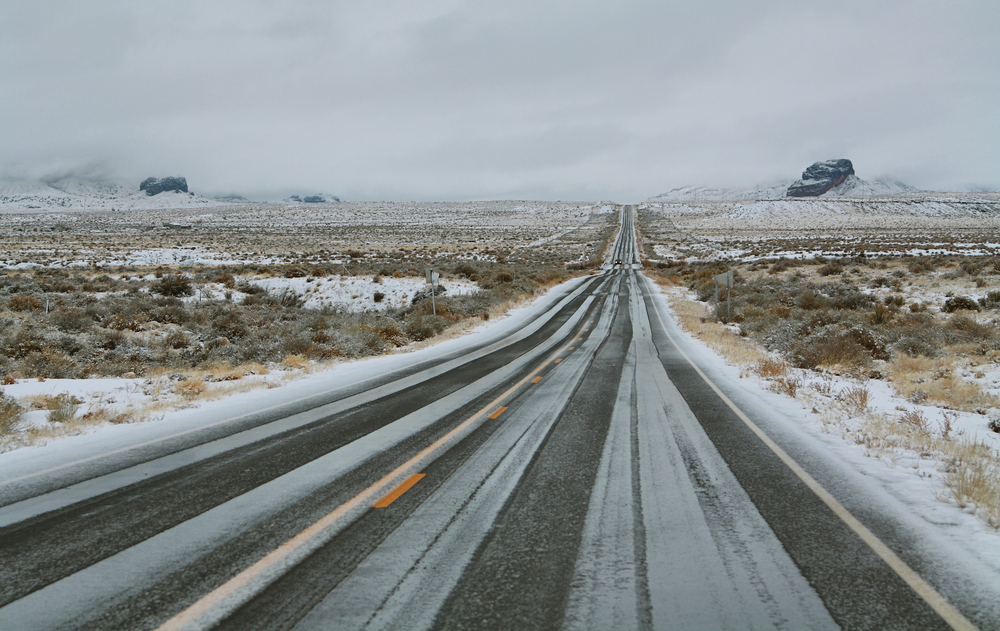
Higher elevations in Arizona, such as Flagstaff and Sedona, experience even more pronounced fluctuations. Drivers traveling between regions with different elevations may see pressure changes simply from passing through colder pockets of air.
With colder temperatures affecting road conditions and visibility at times, ensuring vehicle performance becomes even more important—especially during the early morning hours. These factors make highways across Arizona more vulnerable to blowouts during the first few hours after sunrise, particularly in winter and early spring.
How Cold-Weather Blowouts Lead to Highway Accidents
When a tire blows at highway speed, control of the vehicle is lost almost immediately. A driver may swerve, overcorrect, or collide with vehicles in adjacent lanes. Common collision patterns include:
- Rear-end crashes during sudden deceleration
- Lane-departure accidents when a vehicle veers from a blowout
- Rollovers, especially with SUVs and trucks
- Multi-vehicle collisions caused by road debris
- Jackknife accidents involving commercial trucks
The Federal Highway Administration shows that even moderate weather changes can significantly affect crash risk by altering vehicle performance and driver response. Blowouts during morning commutes are especially dangerous because traffic is dense and speeds are consistent across lanes.
When a Tire Blowout Is More Than Bad Luck
While temperature affects the timing of many blowouts, it rarely explains the entire event. In many cases, a tire fails because someone—an individual driver, a commercial fleet operator, a repair shop, or a manufacturer—did not take reasonable steps to prevent the failure.
Negligent Tire Maintenance
Vehicle owners and fleet managers must regularly inspect and maintain tires. Failures may involve:
- Driving on underinflated or overinflated tires
- Ignoring TPMS warnings
- Failing to replace tires with low tread depth
- Selling or installing unsafe used tires
- Continuing to use tires past manufacturer age guidelines
- Not responding to known tire recalls
Commercial fleets, in particular, see more morning blowouts due to inadequate pre-trip inspections.
Tire Manufacturing or Design Defects
Some tires fail because they were defective from the start. Manufacturing errors, including weak bonding, improper curing, inconsistent materials, or flawed bead construction, can cause sudden blowouts when a tire is exposed to pressure changes. These defects may remain hidden until cold weather stresses the tire during early-morning driving. An experienced auto defect lawyer can help determine the cause.
Improper Installation or Unsafe Repairs
Incorrect patching, improper bead seating, and mismatched tire placements can destabilize the wheel assembly. Cold temperatures stiffen the tire and can cause improper repairs to fail much sooner than expected.
Overloading the Vehicle
A tire carrying more weight than its load rating is far more likely to fail, especially when cold weather has already reduced PSI. Commercial trucks are particularly vulnerable when load limits are ignored.
Roadway Hazards
Potholes, debris, and uneven pavement can compromise tire integrity. Cold weather amplifies stress on these weakened areas, increasing the likelihood of a blowout the next morning.
Warning Signs Drivers Often Miss Before a Blowout
Many cold-weather blowouts occur after subtle warning signs that drivers may overlook:
- A TPMS warning light during early-morning startups
- A vibration or thumping sound at highway speeds
- A vehicle that pulls slightly to one side
- Visible cracking, bulging, or uneven wear on the tire
- Tires older than six years
- A recent encounter with a pothole or curb impact
Drivers sometimes notice these symptoms disappear once the tires warm up, but the underlying structural problem remains.
What to Do After a Cold-Weather Tire Blowout Accident
If a tire blowout leads to a crash, collecting evidence early is critical. Tire cases depend heavily on the condition of the tire, the road, and the environmental conditions at the time of the incident.
Steps to Take Immediately Afterward
- Photograph the tire from multiple angles.
- Save all pieces of the tire, including tread fragments.
- Document the roadway, weather, and temperature.
- Note any TPMS warnings or previous tire issues.
- Avoid repairing or replacing the tire until it has been inspected.
- Obtain an expert evaluation before allowing the vehicle to be altered.
Cold-weather blowout cases often require expert analysis to determine whether the failure resulted from natural conditions, poor maintenance, a defect, or a combination of factors.
FAQs About Cold-Weather Tire Blowouts
What causes tire pressure to drop on cold mornings?
Cold air contracts, which lowers the air pressure inside your tires. This can leave tires underinflated at the start of a morning drive, increasing the risk of a blowout once the tire heats back up during highway travel.
Are cold-weather blowouts more common in Arizona?
Yes. Arizona’s sharp overnight temperature drops, especially in desert and high-elevation areas. create quick PSI changes that stress aging or weakened tires.
Can a tire blowout be caused by a defect?
Yes. A blowout can occur when a tire has manufacturing or design defects. Cold weather often exposes these defects sooner.
Who may be liable for a blowout-related crash?
Liability may fall on a vehicle owner, commercial fleet operator, tire manufacturer, repair shop, or retailer depending on the cause of the failure.
What should I do if I’m involved in a blowout accident?
Preserve the failed tire, photograph the vehicle, document road conditions, and avoid repairs until the tire is inspected. Early evidence preservation is essential.
When to Contact a Car Accident Attorney
Tire blowout accidents can be complex because multiple parties may share responsibility. Cold weather may have contributed to the failure, but the underlying cause may involve negligence or a defective tire. An experienced car accident attorney can help determine:
- Whether the tire was properly maintained
- Whether the tire was defective or recalled
- Whether a repair shop installed or repaired the tire incorrectly
- Whether a commercial fleet failed to follow safety protocols
- Whether dangerous road conditions contributed to the crash
Because evidence deteriorates quickly, especially when vehicles are repaired or tires are disposed of, legal guidance early in the process is essential.
Speak With Gallagher & Kennedy
If you or a loved one was injured in a cold-weather tire blowout accident, you do not have to determine the cause on your own. Gallagher & Kennedy investigates tire failures, product defects, and tire-related collisions throughout Arizona and can help you understand your legal options.
Call (602) 346-9432 or contact Gallagher & Kennedy to schedule a consultation.