Why Concussions After Accidents Should Never Be Dismissed
Many people suffer head trauma in traffic crashes. Whether your collision involved a passenger vehicle, motorcycle, semi-truck, or another motor vehicle, chances are good you might have sustained a brain injury such as a concussion.
Your brain does not heal like other body parts, so even "mild" concussions need to be taken seriously. Remaining vigilant for signs of a concussion after you have been in an accident can give you the best chance of recovery. Missing these indicators can increase your chances of suffering a long-term injury.
If you received medical treatment for a concussion, whether or not the injury healed, you should discuss your injuries and legal options with a car accident lawyer immediately.
Concussions Are Not Always Immediately Apparent
You may not realize right away that you’ve suffered a concussion. If you suffered any trauma to your head, always seek medical help, whether or not you feel any initial symptoms. The best way to know if you have a concussion is by undergoing a medical evaluation and getting a professional diagnosis.
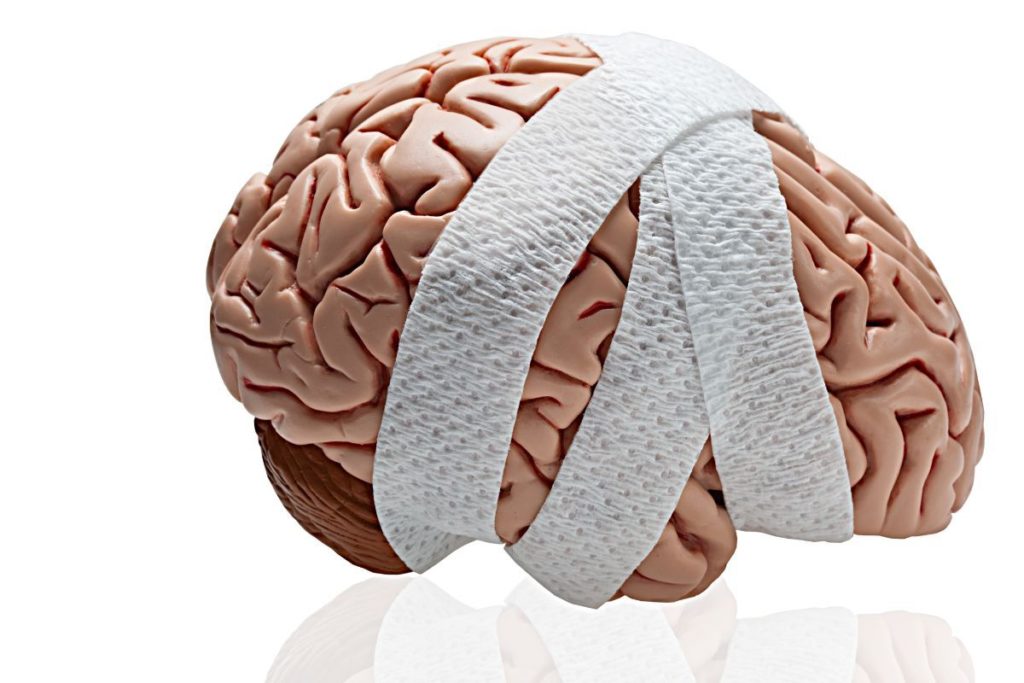
Other things besides trauma can cause a brain injury. For example, whiplash is one of the most common causes of car accident-related brain injuries. When rear-ended, your head may violently snap forward while the rest of your body remains still. While your head does not physically hit something, your brain can move inside your head and strike your skull. You may not realize you suffered an injury from the jolt since your head took no direct trauma.
After any accident that affects the head, look out for concussion symptoms.
Immediate Indicators that You Have Suffered a Concussion
First, you may know immediately that you suffered a traumatic brain injury. Losing consciousness, either momentarily or for an extended time, indicates something is wrong. At the accident scene, you may also feel confused and unable to respond coherently to questions. Some people fail to recall the accident happening, even moments later.
First responders should take those as signs that you have suffered a brain injury and provide immediate medical treatment.
Other immediate symptoms of a concussion include:
- Excessive repeating of oneself
- Forgetfulness
- Slurred speech
- Appearing dazed
- Taking too long to answer questions
These signs indicate a severe concussion. Emergency responders might take you to the hospital for immediate testing and treatment. The doctor may administer neurological tests and an MRI to examine your brain and check for damage.
There is a short-term danger that the concussion can bleed, so the doctor may want to observe your condition for possible brain hemorrhaging. Short-term treatment can sometimes help you avoid some longer-term issues concussion victims experience. However, some concussion victims still have long-term complications and effects, even with a prompt diagnosis and treatment.
Four Things to Look for After an Accident
Not all concussion symptoms immediately appear. It may take some time for you to experience symptoms after the initial trauma, and you might not immediately recognize them as brain injury symptoms.
Here are four primary signs that you have suffered a concussion:
- Difficulty concentrating - The trauma to your head may impact the part of the brain that controls thought and your ability to complete tasks. Concussions may also cause chemical changes in the brain that can affect your ability to think and concentrate. You may have problems gathering your thoughts or completing tasks. One of the common side effects is difficulty remembering what happened before the concussion.
- Nausea and dizziness - Post-concussion nausea usually results from your vestibular system and your vision being affected by the trauma to the brain. In other instances, the physical pain of post-concussion headaches can cause nausea. You may feel nausea on a sustained basis or after you eat. Nausea after eating happens when your autonomic nervous system affects your digestive system.
- Sensitivity to light and noise - Your concussion may have damaged your thalamus, which acts as the central processing unit of your brain and sends information to other regions of the brain. A damaged thalamus keeps you from filtering your vision, and you may end up with sensory overload.
- Irritability and other personality changes - A concussion may prevent your brain from coping and handling your daily life. These changes can manifest as mood swings or personality changes.
Always remember these are not the only signs of a concussion, so you should pay attention to anything unusual following your accident. Seek medical advice, then call a brain injury lawyer to determine if you can seek compensation for your pain, suffering, and medical bills.
Do Not Delay in Getting Medical Treatment for a Concussion
Never wait to get medical treatment if you feel concussion symptoms. If you suffered trauma that even suggests a brain injury, immediately see a doctor to minimize the chances of permanent damage. Prompt treatment also gives you better odds of a full recovery.
Some people have the instinct to try to tough it out after a crash. Never do this if you suspect a head injury. Seeing a doctor is prudent and intelligent. If the doctor examines you and rules out a severe injury, you get peace of mind knowing that you did not suffer life-threatening or permanent damage.
The Gallagher & Kennedy Team Gets Results
We get you the results you need and provide legal advice through the whole court process. Don’t be unprepared when you could have one of the best legal teams out there to assist you. Reach out to us today to get your consultation.
Long-Term Effects of a Concussion
Another risk of not seeking an evaluation right away is losing valuable treatment time. The early days after a brain injury are critical in determining whether you will make a full recovery. Waiting to go to the doctor can lead to a higher risk of long-term effects.
While concussions affect everyone differently, here are some common long-term concussion effects:
- Changes in emotions - A concussion may damage the part of the brain that allows you to regulate your emotions, causing a mild-mannered person to get more aggressive and hostile.
- Problems with balance - A concussion can injure the peripheral vestibular system, the part of the brain that regulates balance. You may end up with permanent dizziness after a concussion.
- Loss of memory - Although this can happen on the first concussion, memory loss is more often associated with repeated concussions. Patients will have more problems with their short-term memory.
- Light sensitivity - Numerous areas of the brain control how you react to and perceive light, including the thalamus, the autonomic nervous system, the superior colliculus, or the vestibular system. An injury to any of these can cause headaches and dizziness when exposed to light.
- Loss of taste and smell - The piriform cortex, the insula, and the orbitofrontal cortex control taste and smell, and you can lose these sense when you suffer a permanent injury to these areas of the brain.
You May Never Fully Recover from a Concussion
Some people may never fully recover from a first concussion. You may experience post-concussion syndrome, when your symptoms last beyond the recovery time your doctors expected.
Although concussions are sometimes described as “mild,” any injury to the brain should be taken seriously. Concussions can involve lasting effects, and recovery does not follow the same pattern as injuries to other parts of the body.
Not Getting Prompt Care Can Harm Your Legal Case
Not only can delaying medical care harm your physical health, but it can also impact your legal case. In every personal injury case, you must act to mitigate your damage. For you, this means seeing a doctor as soon as possible and following their recommendations.
Not getting medical help in the face of evidence that you may have suffered a brain injury gives the insurance company an opening to challenge your claim. Even if they offer you a settlement, they may partly blame you for your situation. You can be sure that the insurance company will question why you took so long to see a doctor. They will access your medical records and can see when you sought treatment.
Seeing a doctor is critical. Even in the very early stages after an accident, get medical care. If you do not treat your concussion, you will not have the medical records that you need to begin the legal process. You cannot file a claim until you prove your injuries' seriousness. Without a formal diagnosis, the insurance company will not consider paying you, and adjusters can allege that something else besides the crash caused your injury.
What Determines Your Compensation for a Concussion
The value of a concussion claim depends on how the injury affected you over time and whether it can be clearly connected to the accident. There is no single formula for determining compensation, and outcomes vary based on the specific facts of each case.
Factors that are often considered include:
- How long symptoms lasted
- The severity of those symptoms
- Whether any effects were permanent
Concussions frequently occur alongside other injuries, such as neck or back injuries, particularly in car accidents. When multiple injuries are involved, the overall impact on daily life, work, and recovery becomes part of the evaluation. For this reason, it is difficult to assess the value of a concussion claim without reviewing medical records and understanding how symptoms developed.
Symptoms that persist over time can affect many areas of life, including concentration, sleep, mood, and the ability to work or perform routine tasks. These effects may not always be visible on imaging, which is why documentation and medical evaluation play an important role.
Insurance companies often question symptoms that are harder to measure, such as cognitive or emotional changes. Clear medical records and consistent reporting help explain how a concussion affected daily life and provide context when those impacts are reviewed.
Damages in Your Concussion Case

In concussion cases, you might seek the following damages as part of your financial compensation:
- Medical costs - The average costs of a concussion can vary, but you can count on medical bills of thousands of dollars just for the testing necessary to diagnose a concussion.
- Lost income - You may need to miss time from work when dealing with a concussion if doctors prescribe rest to treat it. You might not return to your previous job if your symptoms affect your cognitive or physical abilities.
- Pain and suffering - A concussion may cause physical and psychological discomfort through pain or mood changes.
- Loss of enjoyment of life - As long as you must deal with concussion symptoms, you will not live the life you did before the injury.
Even if your concussion case is worth six figures, it does not mean that will be the amount of money the insurance company offers you. It takes time and a lot of effort to reach the point where you can agree on a settlement of your claim. You may need extensive negotiation to reach an agreement with the insurance company, which is difficult when dealing with the aftereffects of a concussion.
FAQs About Concussions After Accidents
Can you have a concussion even if you did not hit your head?
Yes. Concussions can occur without a direct blow to the head. Sudden acceleration or deceleration, such as in a rear-end collision, can cause the brain to move inside the skull and result in injury.
Why do concussion symptoms sometimes appear days later?
Symptoms may be delayed because brain injuries can involve chemical and neurological changes that develop over time. As daily activity resumes, cognitive strain, light exposure, or physical exertion may make symptoms more noticeable.
Is a concussion considered a serious injury in a legal claim?
It can be. Even when imaging does not show visible damage, concussions may result in lasting cognitive, emotional, or physical effects. These impacts are often evaluated based on medical records, symptom duration, and how daily life is affected.
What happens if medical care for a concussion is delayed?
Delays can make recovery more difficult and may also complicate how the injury is evaluated later. Medical records created close in time to the accident help establish a clearer connection between the crash and the injury.
How do insurers typically respond to concussion claims?
Insurers often question concussions because symptoms are not always visible on scans. Documentation, consistent treatment, and medical evaluations play an important role in addressing those challenges.
Why Paying Attention to Concussion Symptoms Matters
Concussions are often misunderstood after accidents, especially when symptoms are not immediately obvious. Head injuries can affect concentration, mood, balance, and daily functioning in ways that develop gradually over time. Taking symptoms seriously and seeking medical evaluation helps create a clearer picture of how an injury unfolds and whether recovery is progressing as expected.
When questions arise about next steps or how an injury may be evaluated, speaking with an experienced attorney can help clarify what information may be relevant and what options may be available. Contact Gallagher & Kennedy today to get started.