How Unstable Cargo Puts Arizona Drivers at Risk
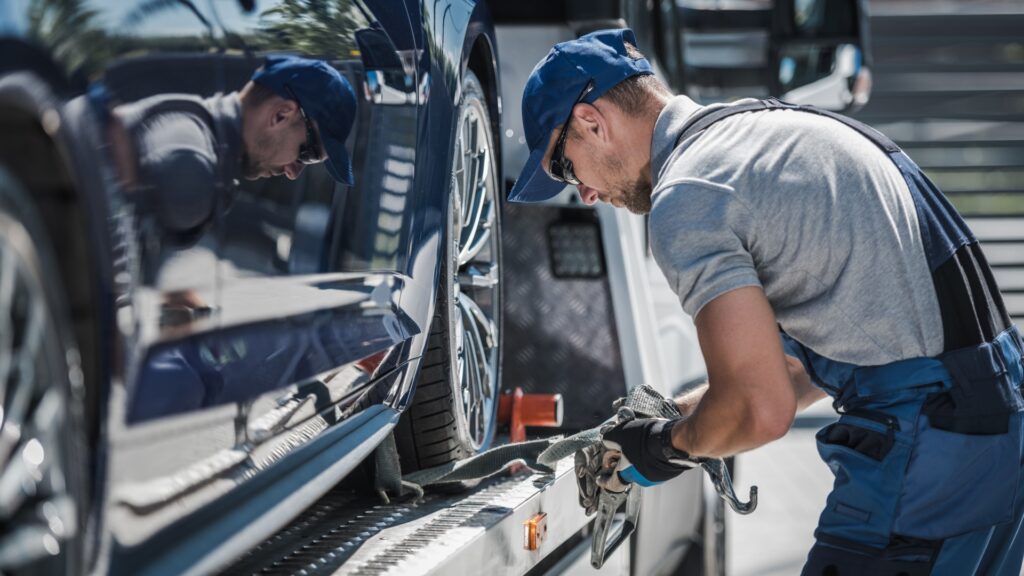
Improperly loaded or unsecured cargo is a hidden threat on Arizona’s roads. Whether it’s a loose ladder flying off a pickup truck or a fully loaded tractor-trailer shifting weight on I-10, these incidents often lead to devastating crashes, severe injuries, and complex legal claims. Because cargo securement involves federal regulations, multiple responsible parties, and highly technical evidence, these cases require close investigation and careful handling.
This expanded guide explains why improperly secured cargo is so dangerous, how these crashes happen, who may be liable, and what Arizona drivers should do to protect their safety and their legal rights.
Why Improperly Loaded Cargo Creates Serious Roadway Hazards
Cargo securement is essential for safe travel. Every load—big or small—creates “dynamic weight,” meaning it moves as the vehicle moves. If it isn’t secured correctly, even ordinary driving actions can create risk.
Improper cargo can lead to:
- Load shifts within a trailer, causing sudden imbalance.
- Falling or airborne debris at high speeds.
- Loss of vehicle control as weight moves unexpectedly.
- High-energy impacts when heavy freight strikes other vehicles.
- Rollovers, especially with SUVs and commercial trucks.
- Hazardous material spills, creating fire or chemical dangers.
Even something as small as a bucket, toolbox, or yard tool can trigger multi-vehicle collisions when launched at freeway speeds.
Common Causes of Cargo-Related Crashes in Arizona
Although every crash is different, many cargo-related accidents share common, preventable causes.
Improper Weight Distribution
Heavy freight must be loaded evenly across the trailer. When weight is concentrated on one side or too far forward or back, even slight steering adjustments can cause sway, fishtailing, or rollover.
Inadequate Tie-Downs or Restraints
Federal Motor Carrier Safety Administration (FMCSA) regulations require specific tie-downs based on the cargo type and weight. When drivers or loaders skip steps, straps loosen, break, or fail entirely.
Overloaded Vehicles
Exceeding weight limits strains brakes, suspension, and tires. Overloaded trailers are also harder to control during sudden stops or high winds.
Faulty or Worn Equipment
Cargo straps, chains, anchor points, or trailer doors may fail due to wear, improper maintenance, or manufacturing defects.
Failure to Inspect the Load
Commercial truck drivers must perform pre-trip, en-route, and post-trip cargo checks. Skipping inspections is one of the leading causes of cargo-shift incidents.
Everyday Driver Oversights
Pickup trucks and trailers used by homeowners, contractors, and landscapers often carry loose items—mattresses, furniture, tools, lumber—that blow out or fall onto the road when not secured properly.
Each of these situations can trigger serious crashes, and determining what went wrong is central to establishing liability.
Cargo-Related Risks on Arizona Roadways
Arizona’s roadways create a challenging environment for cargo transport, and those conditions increase the risks when freight is not loaded or secured properly. High-speed interstates like I-10, I-17, and Loop 202 see some of the state’s heaviest commercial traffic, meaning any unsecured cargo incident can become dangerous very quickly. Rural highways such as US-93 and SR-87 also pose risks, especially in areas prone to strong crosswinds that destabilize trailers or shift loosely secured loads.
In northern and central regions, steep grades and sharp curves — including those near Flagstaff, the Mogollon Rim, and mountain passes — cause cargo to move dramatically if weight isn’t properly balanced. Within metro areas like Phoenix and Tucson, dense traffic increases the likelihood of multi-vehicle collisions when debris falls onto the roadway or when a truck loses control because of shifting freight.
Together, these conditions make cargo securement a critical safety issue across Arizona, especially given the state’s high volume of commercial trucking and long freight corridors.
Who May Be Liable for a Cargo-Related Accident?
Determining liability is often the most complex part of a cargo-related claim. Several parties may be responsible, depending on how the crash occurred.
The Truck Driver
Drivers are responsible for inspecting loads and ensuring securement meets federal standards. Failure to tighten straps, conduct checks, or address obvious hazards may make them liable.
The Trucking Company
Carriers may be responsible for negligent supervision, poor training, unrealistic delivery deadlines, or policies that encourage rushed loading.
Third-Party Loading Companies
Warehouses, distribution centers, and contractors often load freight. If loading was improper, these parties may share liability.
Cargo Owners or Shippers
Some companies package freight themselves before loading, especially in flatbed and hazardous-material transport.
Manufacturers of Cargo-Securing Equipment
If a tie-down, anchor point, ratchet, or strap fails due to a defect, the manufacturer may be responsible.
Other Drivers
In non-commercial cases, everyday drivers may be liable for failing to secure items in a pickup bed or trailer.
Because liability often overlaps, cargo-related crashes depend on detailed evidence—including loading logs, inspection reports, safety procedures, and mechanical evaluations.
Other Factors That May Influence Injuries in a Cargo-Related Accident
While not every cargo-related crash leads to a rollover, many do — and when that happens, the vehicle’s design can significantly affect the severity of injuries. A weak roof structure, for example, may collapse more than it should during a rollover, increasing the likelihood of catastrophic head or spinal trauma for those inside. In other situations, defective safety components such as door latches or seat belts may fail during the impact, putting occupants at greater risk of being partially or fully ejected from the vehicle.
Because these failures often intensify injuries, cargo-related crashes can overlap with product liability claims. When a rollover exposes weaknesses in a vehicle’s design or safety systems, manufacturers may share responsibility for the resulting harm. These issues make thorough investigation essential, especially in high-impact or multi-factor crashes.
What You Should Do After a Cargo-Related Accident
Acting quickly can make a significant difference in proving what happened and preserving your rights.
Call 911 Immediately
Always report the crash and request medical evaluation.
Document Everything
Photograph debris, damaged vehicles, tire marks, road conditions, and any cargo scattered at the scene.
Look for Identifying Information
In some accidents, trucks or trailers may continue driving. Witnesses, dash cams, and traffic cameras can help identify them.
Seek Medical Attention
Even if symptoms seem mild, internal injuries may appear later.
Avoid Speaking With Insurance Companies Alone
Cargo-related claims involve multiple insurers. Any statement you give may be used to minimize your compensation.
Contact a Personal Injury Attorney
Evidence such as loading records, driver logs, and vehicle inspections can disappear quickly. Legal guidance is essential to preserve your claim.
Compensation Available After a Cargo-Related Accident
Accident victims may be eligible for compensation for:
- Emergency care and hospitalization
- Rehabilitation and long-term therapy
- Lost wages and reduced earning capacity
- Pain and suffering
- Permanent disability or disfigurement
- Property damage
- Wrongful death damages for surviving family members
Because cargo accidents often cause severe injuries, attorneys must calculate not just immediate medical costs—but long-term financial needs as well.
Frequently Asked Questions About Cargo-Related Crashes
Can I recover damages if the truck that lost cargo can’t be identified?
Yes. Uninsured motorist coverage may apply, and investigators may still identify the responsible vehicle through cameras or witnesses.
Who investigates cargo failures?
Investigations often involve accident reconstruction experts, engineers, and regulatory specialists who review FMCSA compliance and loading practices.
What if multiple parties are responsible?
Arizona’s comparative negligence laws allow claims against each negligent party based on their share of responsibility.
Should I move debris after an accident?
If safe, photograph debris before moving anything. Safety should always be your first priority.
How the Right Lawyer Can Help
Improperly loaded cargo cases require immediate action, technical knowledge, and a strategic legal approach. Gallagher & Kennedy works with accident reconstructionists, engineers, load-securement experts, and medical specialists to determine why a cargo failure occurred and who is responsible. Gathering and analyzing the evidence makes all the difference, which is why knowing who to go to and what questions to ask are crucial.
If you or someone you love was injured because of improperly loaded or unsecured cargo, our Phoenix attorneys are here to help you understand your rights and pursue fair compensation.